In veterinary practices, phones do not stop mattering simply because the practice closes. Pets get sick at night and clients become anxious on weekends, and urgent queries rarely show up at the right times. Phone calls that are not answered, or sent to voicemail or to an answering service that is generic and has no understanding of clinical issues can lead to irritation to pet owners, stress for vets on call, and miss opportunities to the practice.
This is the reason that after-hours communications are an important aspect of veterinary operations. A quality veterinary answering service is more than just a phone pick-up. It can assist practices in maintaining client relationships, guide pet owners to take the optimal step and reduce the burden of their staff. The availability of after-hours services is not a luxury anymore in the current veterinary industry. This is the way a practice is able to provide continuity of treatment.
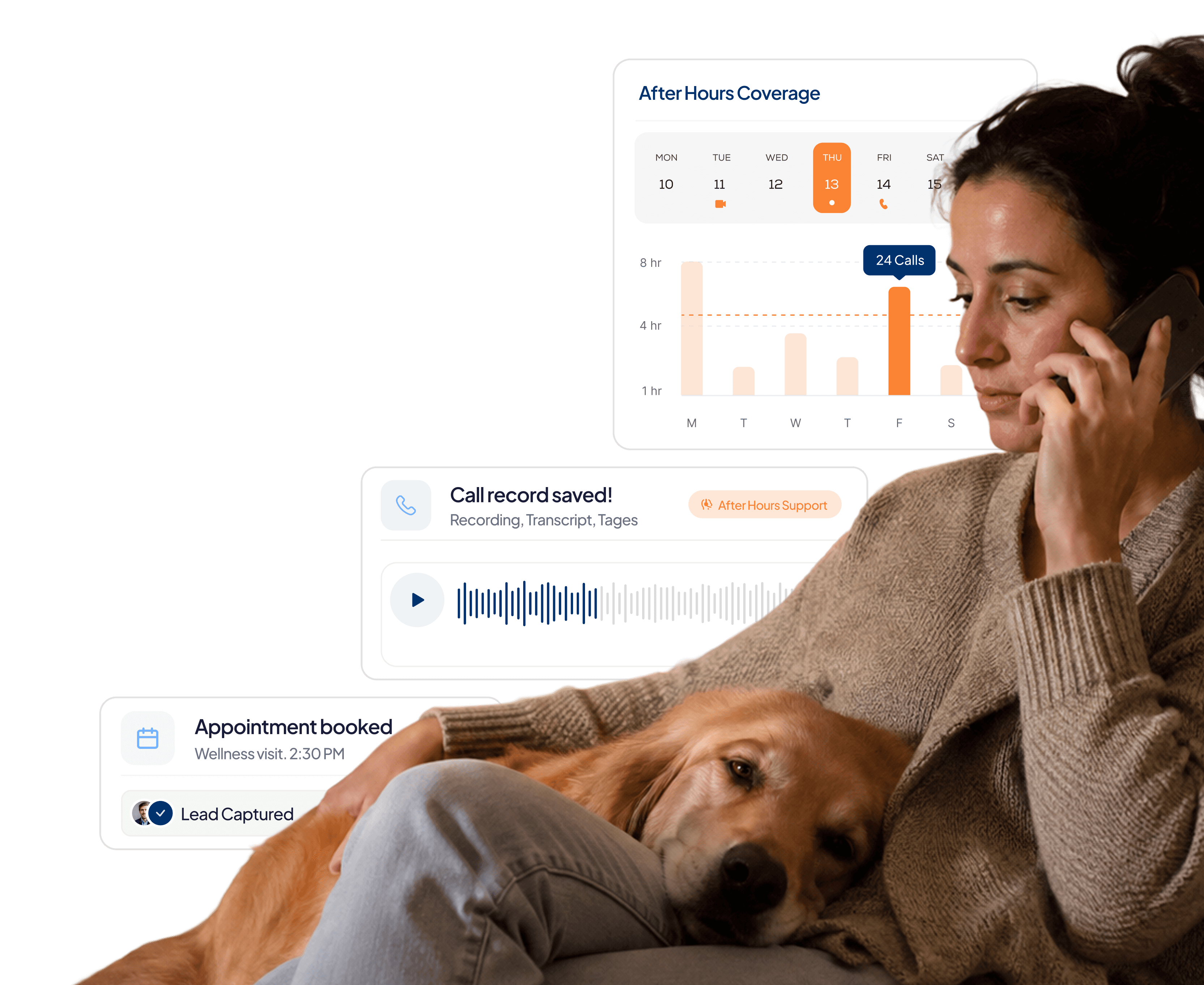
Image credit: guardianvets.com
Every answering system is not specifically designed for veterinary medicine.
There is a major difference between a generic answering service and a specialized vet answering service built specifically for animal hospitals. In a hospital environment answering phone calls after hours is not easy. The patient might be concerned about post-surgical discomfort, toxicants breathing problems, vomiting, or if the pet requires urgent care. These scenarios require more than sending messages. They require judgement, structure and a calm voice from someone who is familiar with the processes and demands of veterinary medicine.
That is where GuardianVets stands apart. Rather than functioning as a typical call center GuardianVets operates as a vet-oriented support service staffed by credentialed Veterinarian Technicians. That distinction matters. A trained technician can assess the nature of the call, follow the clinic’s triage and escalation protocols, help the pet owner understand the level of urgency, and direct them toward the right next step without stepping outside the boundaries of the veterinary-client-patient relationship.
A vet triage service can help all people make better choices
A real veterinary triage system will offer clarity during times of stress. Many pet owners don’t know if a situation is urgent or if it can wait until the morning. A lot of people remain in the dark, and are forced to rush to an emergency hospital unnecessarily or delay seeking care.
This gap can be bridged by triage. It gives pet owners a knowledgeable person to speak to, which reduces confusion, and also helps ensure urgent cases are addressed according to the need, while less urgent concerns are documented and routed correctly. This will prevent vets from being delayed by cases that don’t really require medical intervention during the evening. It could be a huge assistance in achieving a better work-life-balance, especially at hospitals where the doctors have to handle both duties of the clinical as well as on-call.
The ideal veterinary call center must be able to work with your workflow, not fight them
Modern veterinary call centers are not a solution that is separate from your practice. It should be an extension of your staff. This means that it must know your preferences in communication including appointment rules as well as emergency protocols, escalation routes, and protocols. This also includes integrating your PIMS to ensure that notes, scheduling outcomes and call logs flow back into the same software your team uses.
GuardianVets is built on this notion. The process involves analyzing gaps in coverage for calls as well as mapping out how communication between clients currently works, and building a workflow that reflects the realities of the clinic rather than putting the clinic into a rigid format. It’s a huge shift from traditional answering firms, who often just capture messages and then leave it to the clinic.
Convenience isn’t the only benefit of better coverage after hours
A reliable after-hours answering system for veterinary practices can do more than simply reduce missed calls. It aids in maintaining trust between clients when they are stressed, it keeps more cases in the practice network when appropriate and provides teams with an easier way to manage demand after hours. This could increase revenue by converting weekend and overnight enquiries into scheduled appointments instead of losing opportunities.
This assures pet owners that they are able to seek assistance in the event of need. In the field of veterinary medicine, this type of assistance is essential because most after-hours calls are not only about the logistics. They are also emotionally charged. The emotional response of a pet animal can influence how people feel even after the issue has been resolved.
Hospitals who want to enhance client care and team health, GuardianVets offers a model that goes beyond the standard answering service for veterinary patients. Combining clinical triage with workflow integration and compassionate communication it allows practices to be present for their patients even if the clinic is closed.