Cooking oil is one the common ingredients used frequently, but never even. It’s simple to grab the bottle that’s closest to you and then assume that it’s good for anything. Oils react differently depending upon the heat, flavor, or fat composition. Understanding these differences is among the most effective methods to cook healthier food at home.
When choosing between coconut oil, and avocado oil to cook with, the decision shouldn’t be solely based on headlines or trends. It is crucial to think about how each oil performs when applied in real-life cooking.
The importance of oil selection is far greater than you realize
Oil plays a crucial role in cooking. First, it provides heat to food. It also adds flavor at a subdued or significant level. Thirdly, it may affect nutrition depending on the kind and ability to withstand high temperatures.
The oil begins to breakdown as it heats up. This could reduce the nutritional value of food items and result in unpleasant flavours. If you choose the wrong oil, your food will taste bitter, bland or even greasy.
When cooking with olive oil, it is best to do so with a plan
Olive oil is widely used and researched cooking oil. Olive oil is made by pressing olives. It contains a large amount of monounsaturated oils, and antioxidants such as polyphenols.
Extra virgin oil is spicy sweet, strong and fruity. Olive oil is perfect for cooking, especially for marinades and salad dressings. You can use it to roast vegetables, sauté lightly, or finish dishes. In these instances, the flavour enhances the food, rather than being obscured.
Extra virgin olive oil does not have the same smoke point that some people believe. It is more refined and suitable to cook at higher temperatures. It has a lighter flavor and is more resistant to heat and is therefore better suited for frying, baking, and roasting at higher temperatures.
Olive oil can be a healthy and tasty ingredient when used appropriately.
Coconut Oil: Stable and Specific
Coconut oil behaves in a completely different way unlike olive oil. It is high in saturated fats, which makes it very solid under the heat. Coconut oil is known because of its stability.
The refined coconut oil is a bit bland in flavour and works well in baking or frying where stability of heat is essential. Unrefined coconut oil offers a distinctive coconut scent and flavor. The flavor may be advantageous in certain dishes like curries, stir fries, or desserts, but it could cause a clash with food items that contain savoury ingredients when used in a hurry.
For health reasons, it is better to use coconut oil occasionally rather than every day. Coconut oil is a great choice for high temperatures, but it does not have the antioxidant properties of avocado or olive oils.
Avocado oil is heat-friendly and neutral
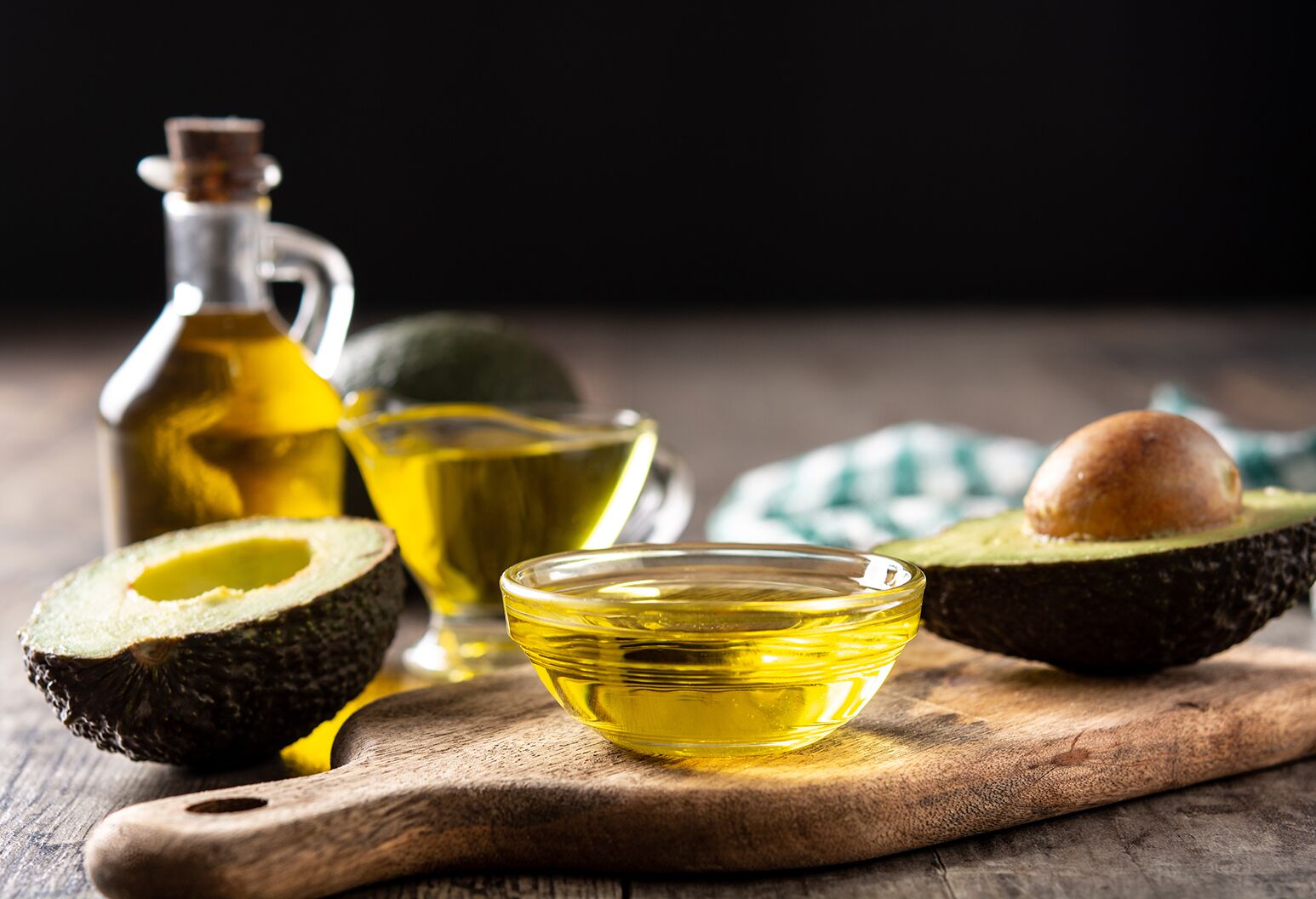
Avocado oil is well-known because it is able to handle heat effectively. Avocado oil for cooking has one of the highest smoke points of commonly used oils, which makes it ideal for searing, roasting, grilling, and frying.
Nutritionally, avocado oil is rich in monounsaturated fats. It is also a source of vitamin E, making it closer to olive oil than coconut oil with regard to health benefits. Its flavour is neutral and mild, which is why it’s a good choice when you don’t want oil to interfere with the flavor of the food you are eating.
Avocado oil is generally the most secure option for cooking at high temperatures while still prioritising a healthier fat.
How to Utilize Oils smartly
There is no one oil that is ideal for every task. Most practical is to have multiple options in mind and use each intentionally.
Olive oil is most effective when taste and nutrition are the most important factors. Avocado oil is ideal for high-heat cooking. Coconut oil is a good choice when you want to keep your heat stable, or if a distinctive taste is what you’re looking for.
With a better understanding of these distinctions by understanding these differences, you will be able to cook with greater consistency and less guesswork.
New basics for better cooking
It doesn’t take a lot of ingredients or intricate techniques. It’s often about small, logical choices and a consistent approach.
Learning the right time to use coconut oil, olive oil, and avocado oil for cooking is among the easiest methods to improve flavor, texture, and confidence in the kitchen. Once you understand how oils work, cooking becomes much easier and more enjoyable.